LT Power Cables vs XLPE Cables: Understanding the Difference and Applications
Learn the key differences, benefits and applications of LT Power Cables and XLPE Cables for safe power distribution.
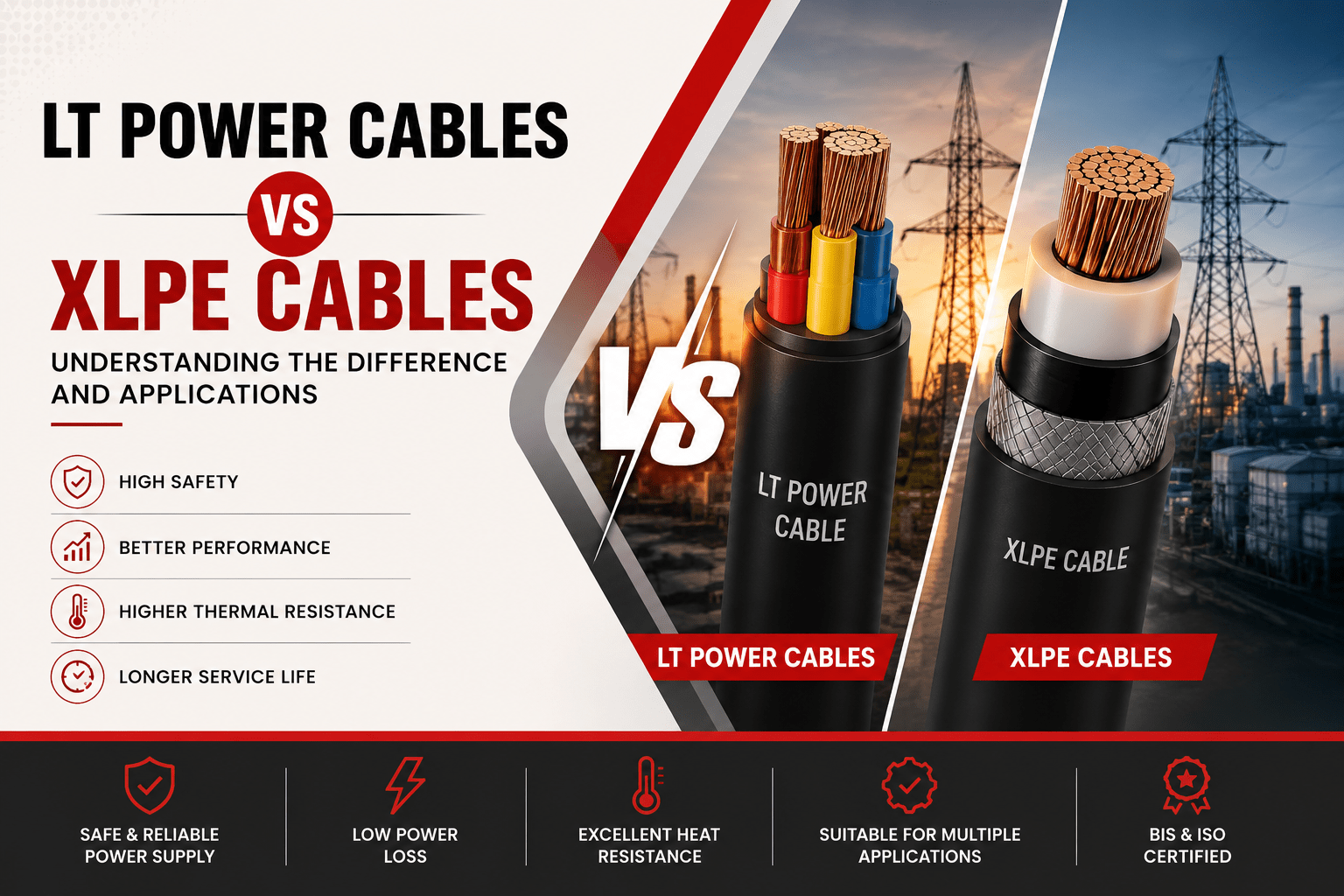
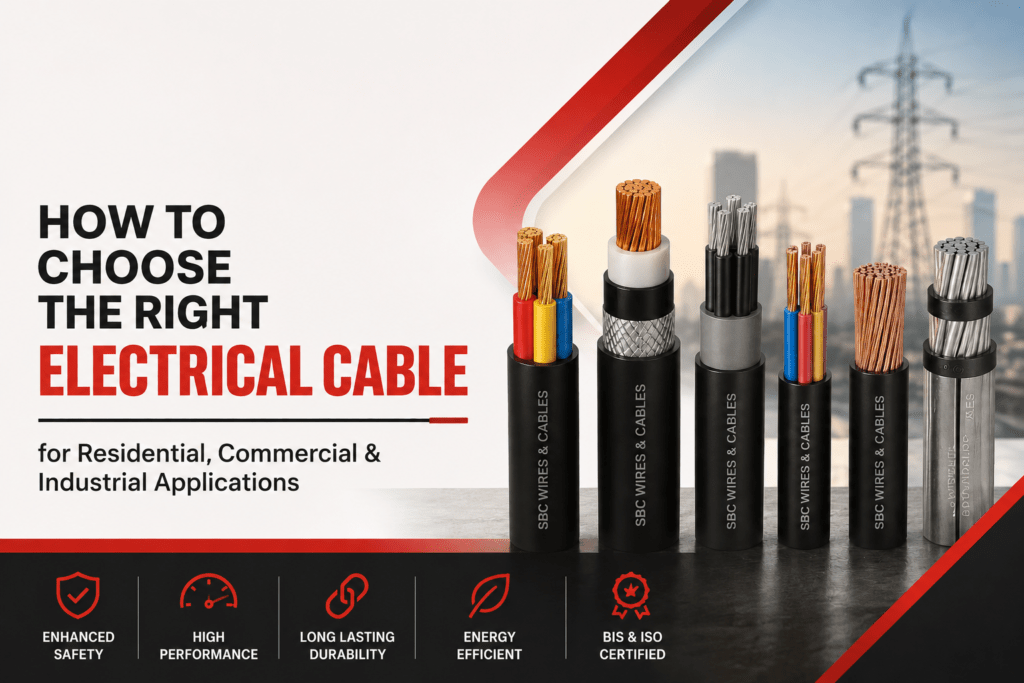
Electrical cables play an important role in safe and efficient power transmission. For residential, commercial, industrial and infrastructure projects, choosing the right cable type can directly impact safety, performance, durability and long-term reliability.
Two commonly used cable types in power distribution are LT Power Cables and XLPE Cables. Although both are used for electrical power transmission, their construction, insulation properties, temperature resistance and applications can be different.
In this blog, we explain the difference between LT Power Cables and XLPE Cables, their benefits, applications and how to choose the right cable for your project.
What Are LT Power Cables?
LT Power Cables, also known as Low Tension Power Cables, are designed for power transmission and distribution in low voltage systems. These cables are commonly used in buildings, industries, power plants, electrical panels and infrastructure projects.
LT Power Cables are available in both armoured and unarmoured construction. They may use copper or aluminium conductors depending on the application and project requirement. These cables are suitable for underground as well as overhead power transmission.
Common Applications of LT Power Cables
- Industrial power distribution
- Commercial buildings
- Electrical panels and control rooms
- Power plants and substations
- Infrastructure projects
- Underground electrical installations
What Are XLPE Cables?
XLPE stands for Cross-Linked Polyethylene. XLPE Cables are power cables insulated with cross-linked polyethylene material, which provides superior thermal, electrical and mechanical properties compared to conventional insulation materials.
XLPE insulated cables are known for higher temperature resistance, better current carrying capacity, reduced insulation thickness and improved performance under load conditions. These cables are widely used for low tension power distribution and industrial applications.
Common Applications of XLPE Cables
- Industrial plants
- Heavy machinery power supply
- Power distribution networks
- Commercial and infrastructure projects
- Electrical utilities
- High-load electrical systems
LT Power Cables vs XLPE Cables: Key Differences
While LT Power Cables and XLPE Cables are both used for power transmission, their main difference lies in insulation material, performance capacity and application suitability.
| Factor | LT Power Cables | XLPE Cables |
|---|---|---|
| Meaning | Low tension power cables used for power distribution | Power cables insulated with cross-linked polyethylene |
| Insulation | PVC, XLPE or other suitable insulation | XLPE insulation |
| Temperature Resistance | Depends on insulation type | Higher temperature resistance |
| Current Carrying Capacity | Suitable for general power distribution | Higher current carrying capacity |
| Durability | Reliable for standard applications | Excellent durability and longer service life |
| Application | Residential, commercial and industrial power supply | Industrial and high-performance power distribution |
Advantages of LT Power Cables
LT Power Cables are widely used because of their versatility and reliable performance in low voltage systems. They are available in multiple sizes, core options and construction types.
- Suitable for underground and overhead power transmission
- Available in armoured and unarmoured designs
- Can be manufactured with copper or aluminium conductor
- Reliable for commercial and industrial power distribution
- Suitable for electrical panels, projects and installations
Advantages of XLPE Cables
XLPE Cables offer excellent electrical and thermal properties, making them ideal for demanding applications. Their insulation allows better performance even under higher operating temperatures.
- Higher thermal resistance
- Better electrical performance
- Higher current carrying capacity
- Reduced insulation thickness
- Lower power loss
- Longer service life
- Improved mechanical strength
Which Cable Should You Choose?
The right cable depends on your application, voltage requirement, load condition, installation environment and safety needs. For standard low voltage power transmission, LT Power Cables are commonly used. For applications requiring higher thermal resistance, better electrical performance and long-term reliability, XLPE Cables are often preferred.
If your project involves industrial machinery, heavy electrical loads or demanding environments, XLPE insulated cables may be a better choice. For general power distribution in buildings, panels and commercial facilities, LT Power Cables can provide dependable performance.
Importance of Certified Cables
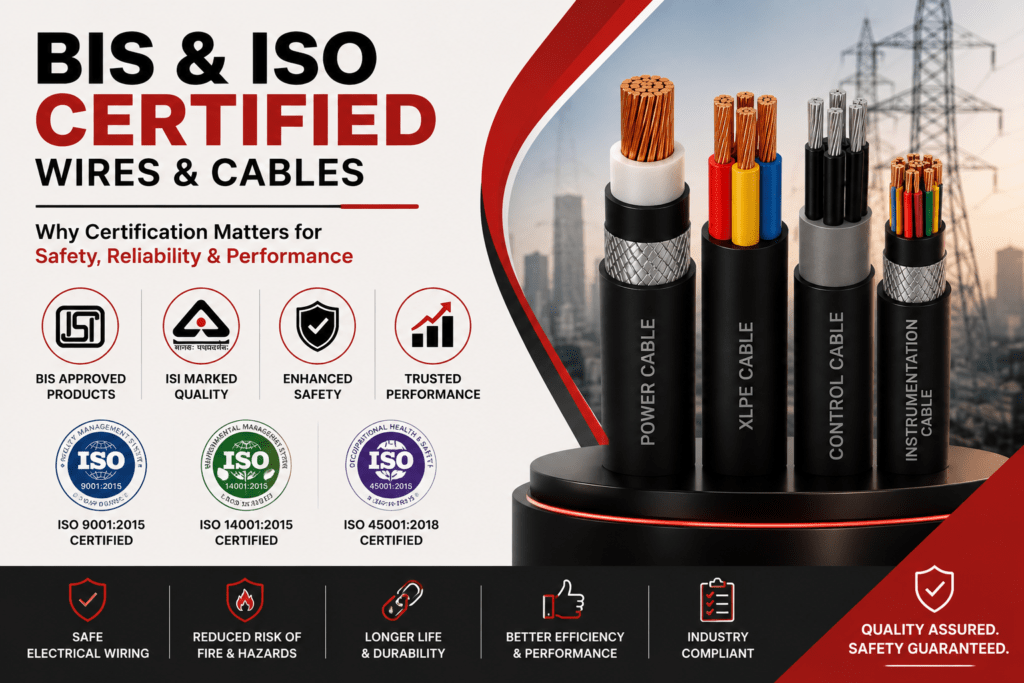
Whether you choose LT Power Cables or XLPE Cables, certification is extremely important. Certified cables are manufactured according to approved standards and are tested for safety and performance.
Look for cables manufactured as per standards such as IS 1554 and IS 7098. These standards help ensure quality, safety and reliable electrical performance.
Why Choose Shree Bhagwati Cables?
Shree Bhagwati Cables manufactures a wide range of SBC and TORREX brand wires and cables for residential, commercial, industrial and infrastructure applications. Our cable range includes LT Power Cables, XLPE Cables, House Wires, Instrumentation Cables, Rubber Cables, Submersible Cables, Aerial Bunched Cables and Special Cables.
With a strong focus on quality, performance and customer satisfaction, we provide cable solutions designed to meet the needs of modern electrical projects.
Conclusion
LT Power Cables and XLPE Cables are both important for power distribution, but their suitability depends on the application. LT Power Cables are versatile and widely used for low voltage power transmission, while XLPE Cables provide superior thermal resistance, higher current capacity and longer service life.
Choosing the right cable ensures safer power supply, better efficiency and reduced maintenance. For reliable and certified wires and cables, always choose a trusted manufacturer with proven quality standards.
Need LT Power Cables or XLPE Cables?
Contact Shree Bhagwati Cables for quality cable solutions for your project requirements.
Get In Touch